In Harvard study, AI offered more accurate emergency room diagnoses than two human doctors
TechCrunch TechCrunch Technology

In Harvard study, AI offered more accurate emergency room diagnoses than two human doctors

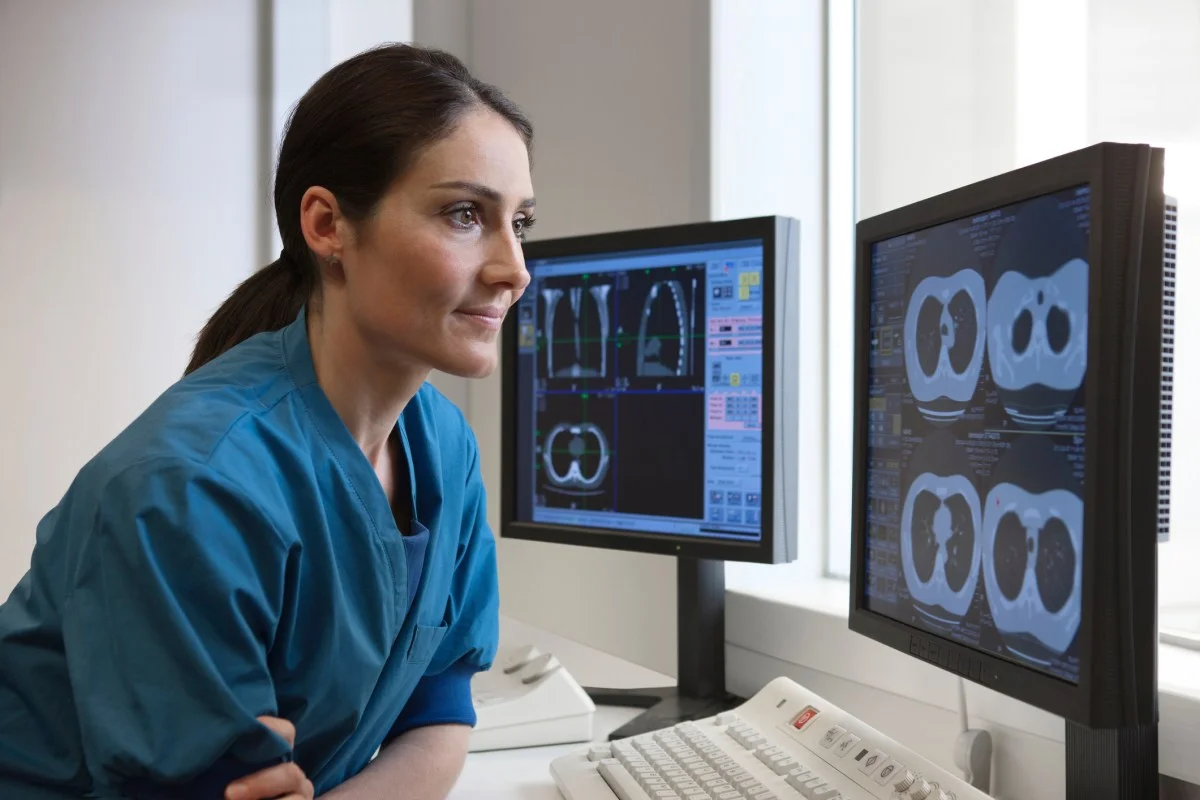
A new study examines how large language models perform in a variety of medical contexts, including real emergency room cases — where at least one model seemed to be more accurate than human doctors.
A new study examines how large language models perform in a variety of medical contexts, including real emergency room cases — where at least one model seemed to be more accurate than human doctors.

Related Articles

Peter Sarlin’s QuTwo reaches $380M valuation in angel round

Peter Sarlin’s QuTwo reaches $380M valuation in angel round

QyTw0, the Finnish AI lab founded by former AMD Silo AI CEO Peter Sarlin, is now valued at €325 mi...

Marc Lore says that AI will soon enable anyone open a restaurant

Marc Lore says that AI will soon enable anyone open a restaurant

Wonder wants to turn its robotic kitchens into AI-powered “restaurant factories,” letting anyone...

Nuro receives driverless testing permit ahead of Uber robotaxi service launch

Nuro receives driverless testing permit ahead of Uber robotaxi service launch

The Silicon Valley AV startup has not started driverless testing yet.

SAP bets $1.16B on 18-month-old German AI lab and says yes to NemoClaw

SAP bets $1.16B on 18-month-old German AI lab and says yes to NemoClaw

SAP plans to buy German AI startup Prior Labs and invest heavily in it. It is also prohibiting custo...

Bumble’s paying users are slipping as it bets on an overhaul later this year

Bumble’s paying users are slipping as it bets on an overhaul later this year

The company is making a big bet that the swiping model is outdated and most matches never turn into ...

Altara secures $7M to bridge the data gap that’s slowing down physical sciences

Altara secures $7M to bridge the data gap that’s slowing down physical sciences

Altara’s AI aims to diagnose failures and help speed up R&D by unifying data siloed across s...